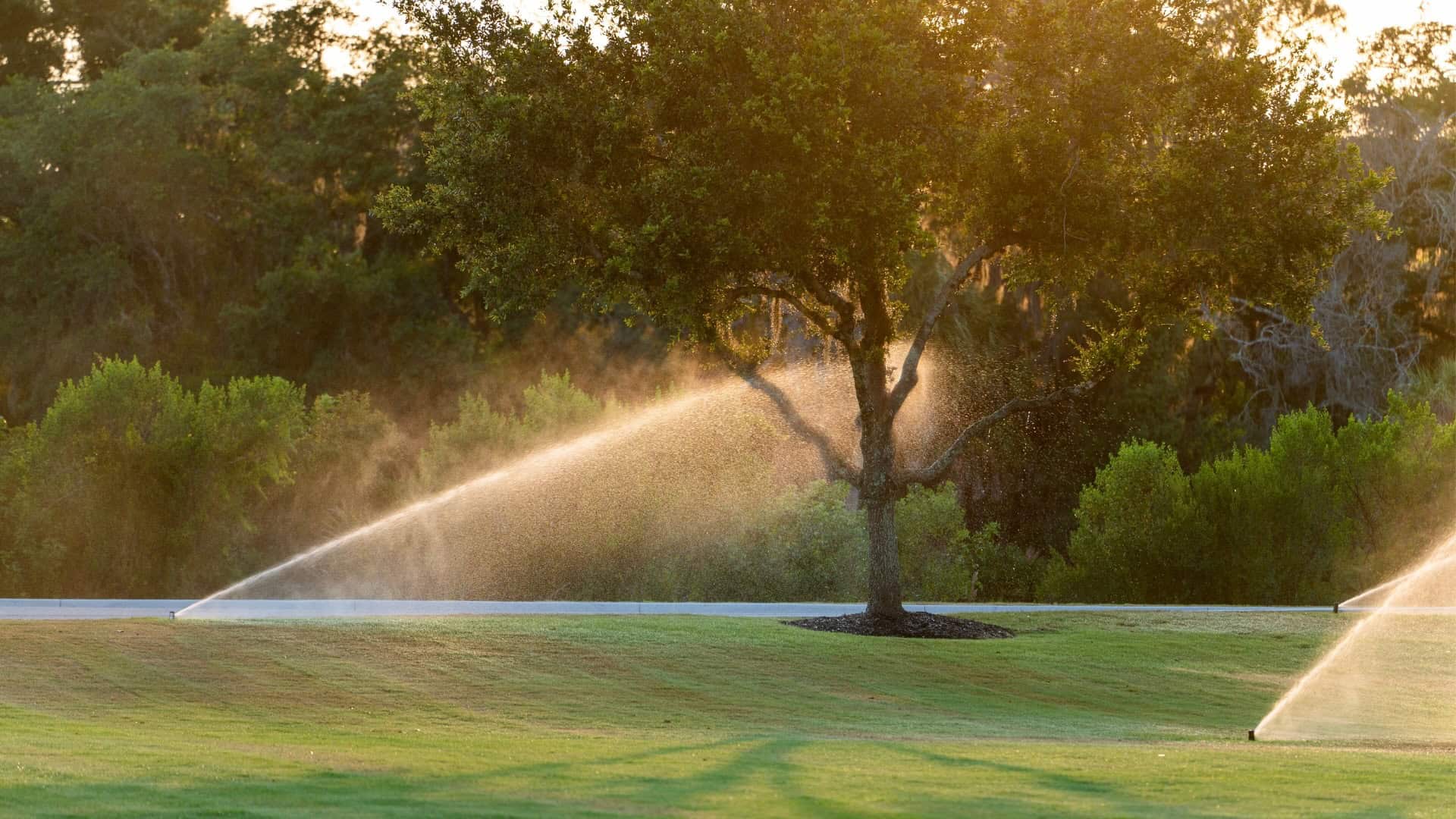
Lawn Watering Schedule: A Month-by-Month Guide for Cool-Season Grass
If you’re looking for a lawn watering schedule built specifically for Michigan’s climate, you’ve come to the right place. Because Michigan is primarily a cool-season grass zone, most lawns consist of Kentucky bluegrass, fescues, and perennial ryegrass. These grasses grow best in spring, not at the height of summer, and that affects how much and how long you should water throughout the year.
Watering keeps grass green, promotes deep root growth, reduces turf disease, and conserves water. Keep reading to discover a month-by-month lawn watering schedule created specifically for Michigan’s cool-season turf. You’ll find recommended watering times, frequencies, and practical tips to help you get the most out of every drop.
The Lawn Watering Rules You Should Always Remember
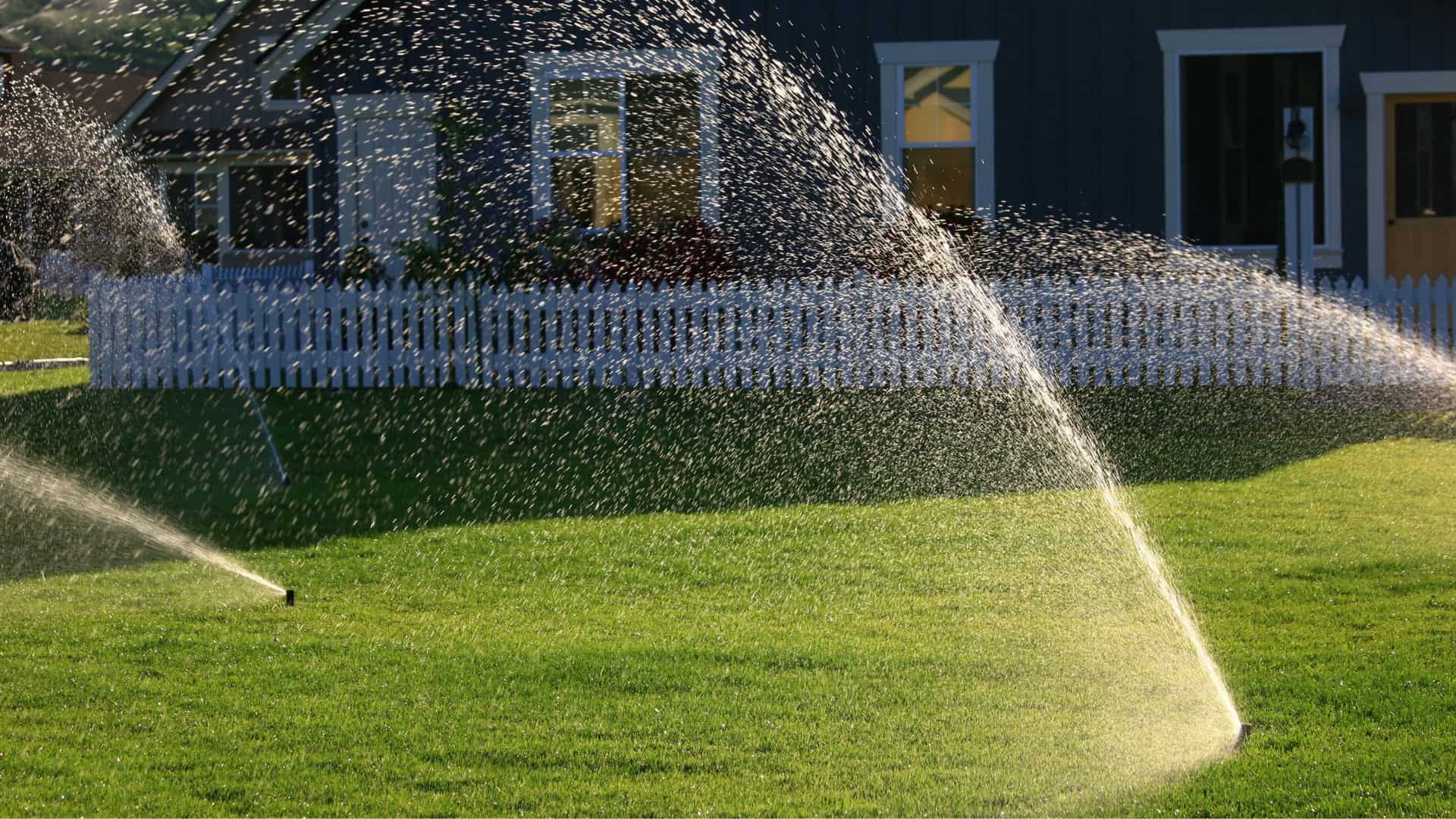
Before diving into the monthly breakdown, every good lawn watering schedule starts with a few universal rules. Most healthy Michigan lawns need about 1 to 1½ inches of water per week from irrigation, rain, or both. Deep, infrequent watering is significantly better than short daily sessions. Deep watering trains roots to grow downward, which improves drought resistance and overall lawn health.
A simple way to measure your sprinkler system’s output is by placing shallow containers, like tuna cans, on your lawn. Run your sprinklers and track how long it takes to fill them to one inch. That becomes your ideal weekly run time.
Morning watering between 5 a.m. and 10 a.m. is always best. Soil absorbs water efficiently during this window, grass blades dry quickly, and disease pressure stays low.
Your Month-by-Month Lawn Watering Schedule for Michigan
Michigan’s seasons shift dramatically, and your lawn watering schedule should shift with them. Here is what to do every month of the year to keep your cool-season grass healthy, efficient, and thriving.
January and February (Winter Dormancy Means Minimal Watering)
In deep winter, lawn grass is fully dormant and rarely needs supplemental water. Irrigation systems must be winterized and blown out by late fall to prevent pipe damage, making it physically difficult to water safely during a hard freeze.
If Michigan experiences an unusually long dry spell with no snow cover and the ground remains thawed, light watering can help. However, if the ground is frozen, water will sit on top and create damaging ice sheets. Too much moisture also increases the risk of snow mold in compacted or poorly drained soils.
January and February Watering Guide: Zero sessions is standard. One light session only if the ground is thawed, snowless, and visibly dry. Water early on a day above freezing and keep irrigation light to avoid ice buildup.
March (Grass Awakens, But Rain Usually Does the Work)
March marks the slow awakening of Michigan’s cool-season grasses. Soil temperatures remain low, root activity is still limited, and natural rainfall and snowmelt typically provide all the moisture your lawn needs. If watering is needed at all, use a hose and drain it after use to avoid freeze damage.
March Watering Guide: Water only during unusually dry weeks. Hand-water dry spots only and keep underground systems off. Skip watering if rainfall reaches half an inch or more.
April (Start Increasing Time, But Still Monitor Rain)
By April, soil begins to warm and grass enters its first true growth phase of the year. Rainfall is still common, so routine irrigation can usually wait until May or June. However, if an uncharacteristically dry stretch occurs, light supplemental watering helps roots grow deeper before summer heat arrives.
Avoid daily short sprays. Shallow watering in April leads to shallow roots, making grass more vulnerable to heat stress in July and August.
April Watering Guide: Zero to one day per week, only if rainfall is absent for ten or more days. Run 20 to 30 minutes per zone. Keep underground systems off until the risk of a hard freeze passes.
May (Warm Soil Means More Consistent Moisture)
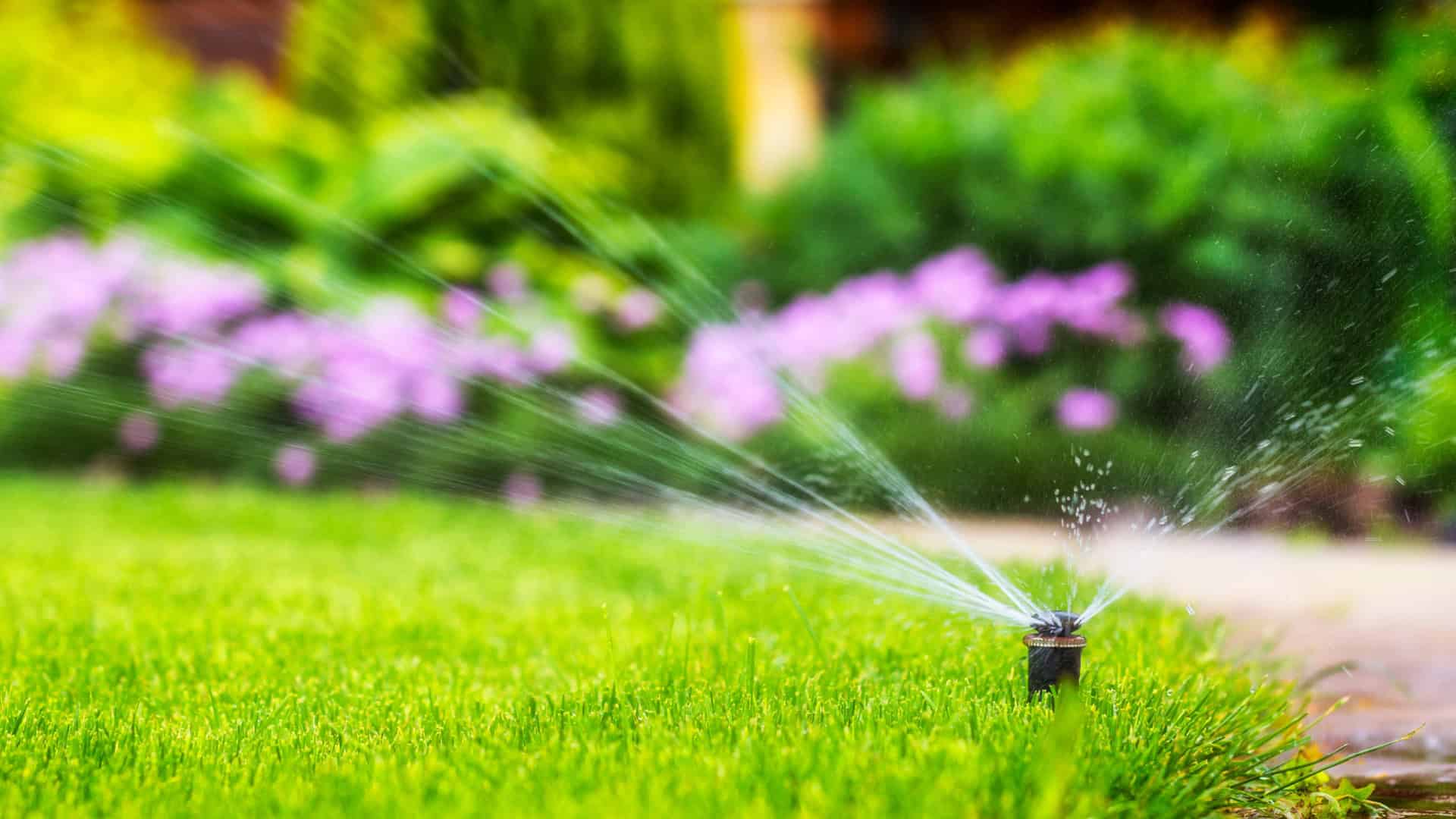
May brings warmer days, rapid turf growth, and less predictable rainfall. Michigan’s frequent spring rains often provide the necessary inch of water per week, so irrigation should only fill in the gap during dry spells. Deep watering in late spring strengthens root systems ahead of summer.
May Watering Guide: Check the weather first. If spring rains provide one inch or more, keep sprinklers off. If it has not rained in five to seven days, run one deep session of approximately half an inch to one inch. Clay-heavy soils benefit from two shorter cycles to improve penetration.
June (Peak Transition to Summer Needs)
June is when your lawn watering schedule becomes more critical. Days grow longer, temperatures rise, and rainfall becomes scattered. Consistent deep watering during this month helps lawns maintain vitality going into summer and prevents early browning during heat streaks.
June Watering Guide: Target 1 to 1.5 inches per week including rainfall. Aim for three to four moderate sessions per week at approximately 0.25 to 0.4 inches each. Avoid evening watering as June humidity can trigger fungal diseases.
July (Hottest Month, Highest Water Demand)
July is typically Michigan’s hottest month and consistent soil moisture becomes essential. Deep, infrequent watering is significantly more effective than frequent light sessions. If temperatures consistently exceed 90 degrees, a brief five-minute midday spray around 1 p.m. can lower grass blade temperature without soaking the soil.
July Watering Guide: Three times per week. Run 35 to 45 minutes per rotor zone and 10 to 20 minutes per spray zone. Skip your next scheduled session after any thunderstorm that drops one inch or more.
August (Maintain Deep Watering, Watch Rain Patterns)
August often mirrors July with warm temperatures and uneven rainfall. Adjust your lawn watering schedule based on real conditions rather than a fixed rule. Maintain deep watering to keep roots insulated from heat stress, but reduce frequency after heavy rainfall.
August Watering Guide: Two to three times per week. Run 35 to 45 minutes per rotor zone and 10 to 20 minutes per spray zone.
September (Ideal Temperatures, Gradually Reduce Watering)
September brings cooler temperatures and ideal growing conditions for Michigan turf. Grass growth picks up again, but water demand naturally decreases as rainfall becomes more reliable. The goal is to encourage root strength without over-saturating the soil.
September Watering Guide: Two times per week or less if it rains frequently. Run 30 to 40 minutes per rotor zone and 10 to 15 minutes per spray zone.
October (Start Cutting Back)
October temperatures drop, grass growth slows, and watering needs decrease significantly. Natural rainfall often covers most needs during this month. Begin scaling back irrigation and preparing your lawn for winter dormancy.
October Watering Guide: One to two times per week. Run 20 to 30 minutes per rotor zone and 5 to 15 minutes per spray zone. Stop watering before the season’s first hard freeze and make sure your winterize your sprinkler system.
November and December (Dormancy Returns)
By late fall, Michigan lawns enter dormancy once again. Growth slows dramatically and your lawn no longer needs irrigation. Natural precipitation, including early snowfall, is typically enough to maintain adequate soil moisture.
November and December Watering Guide: No regular irrigation. One optional light watering during long snow-free dry periods, which is almost never necessary.
Why Michigan Lawns Need This Specific Lawn Watering Schedule
Michigan’s climate is defined by cool springs, warm summers, and cold winters. Cool-season grasses respond best to watering practices aligned with these natural cycles. Overwatering or watering at the wrong times weakens turf, increases disease risk, and wastes water. Following a seasonal lawn watering schedule keeps your grass healthy, resilient, and efficient year-round.
How a Properly Calibrated Irrigation System Supports Your Lawn Watering Schedule
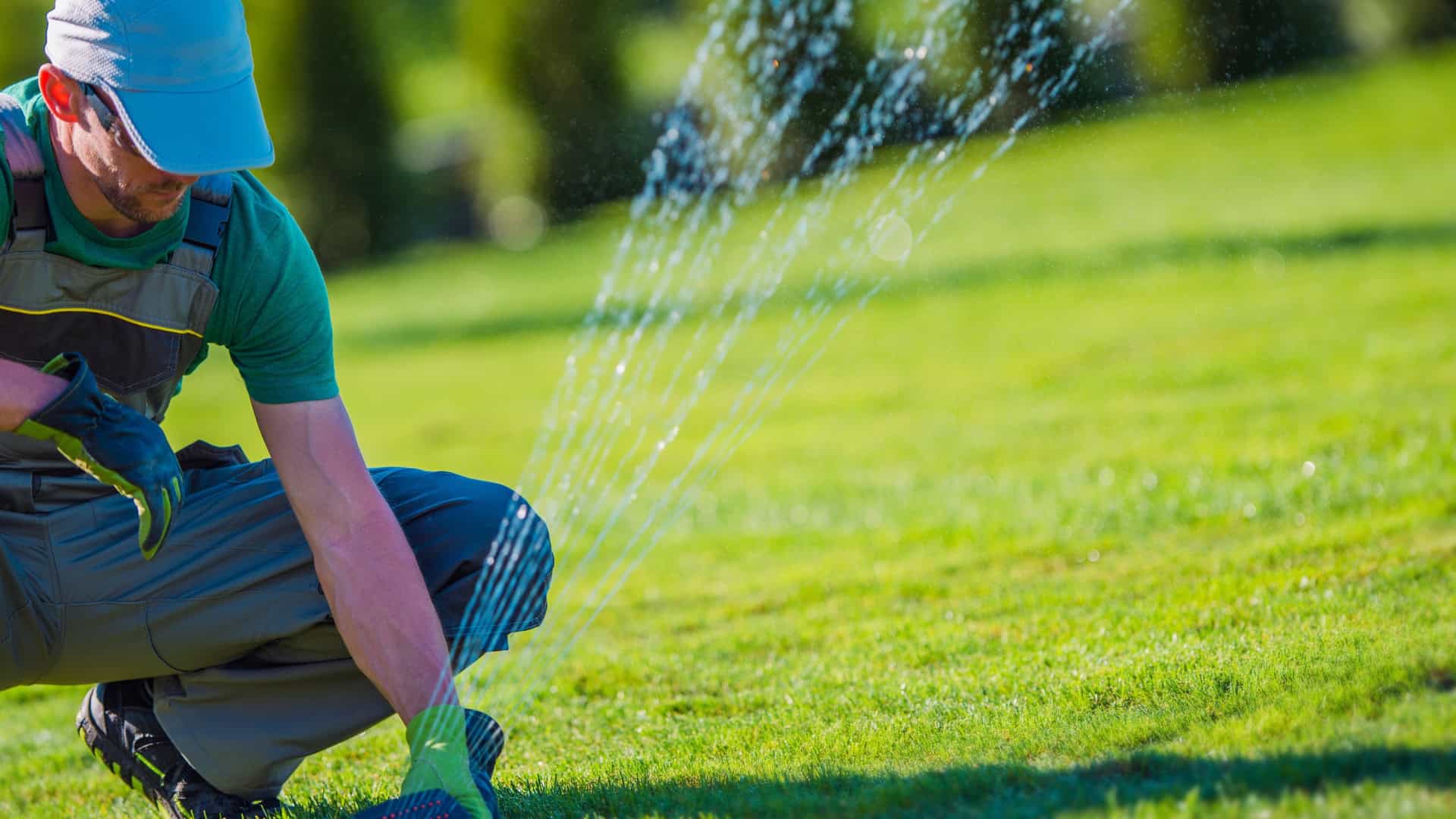
Even the best lawn watering schedule only works when your irrigation system is dialed in correctly. Every lawn has its own quirks: shade spots, sunny slopes, compacted soil, and varying zone coverage. A system that is not calibrated properly wastes water, creates dry patches, and puts extra stress on your turf during the critical summer months.
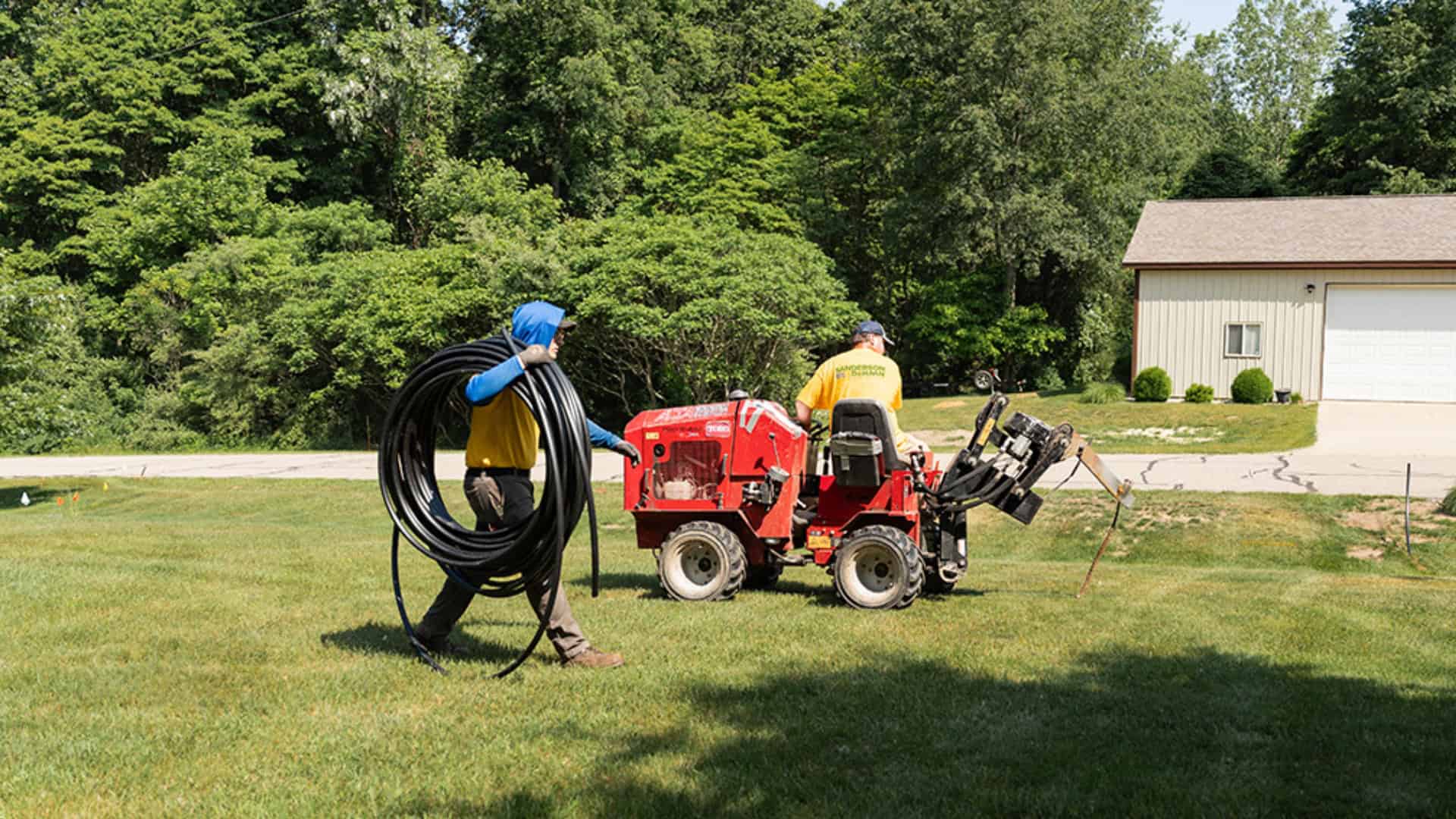
At Sanderson and DeHaan, our Michigan sprinkler and irrigation repair services fine-tune your system so every zone gets the right amount of water at the right time. From efficiency checks to zone-by-zone calibration, we make sure every drop counts and your yard performs the way it should throughout every season.
Contact Sanderson and DeHaan for a Lawn Watering Plan Built for Your Yard
A well-watered lawn changes the way your whole property feels. It looks healthier, grows thicker, and becomes a place you’re proud to show off. By following this Michigan-specific lawn watering schedule, you’re giving your grass exactly what it needs to thrive through every season.
If you want a yard that feels lush, healthy, and genuinely cared for, let Sanderson and DeHaan create a watering plan built just for your home. Our team of irrigation design and installation experts is happy to answer any questions you have. Please contact our team today or schedule a site visit for a cost estimate.
Further Reading

Systems
We only install the best.


Contact
Sanderson & DeHaan Irrigation
5797 South 12th Street
Portage, MI 49024

Sanderson & DeHaan Irrigation | Website by Shamus Design